
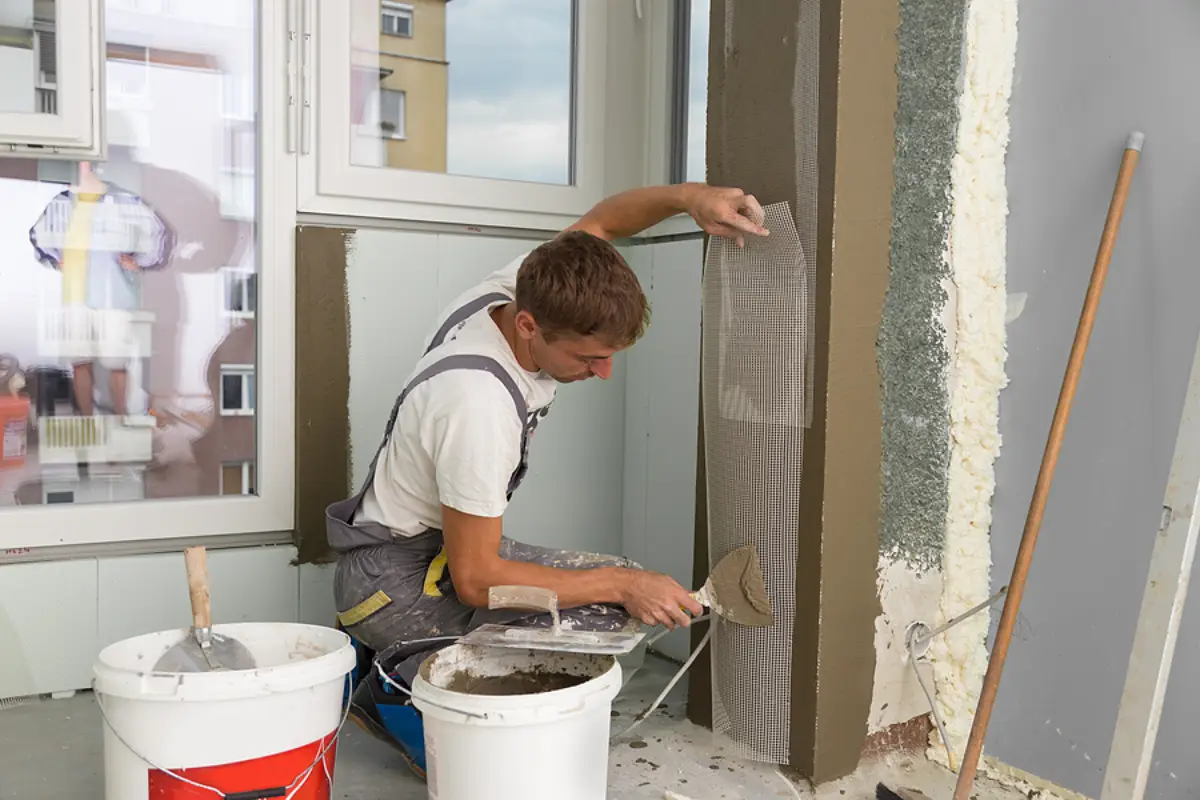
The true test of a rental renovation begins long after contractors leave the property. While certain upgrades create immediate visual appeal, repeated tenant turnover often exposes weaknesses that were easy to overlook during the planning stage. Expensive finishes may look impressive at first, but appearance alone does not guarantee lasting value.
Many property owners are shifting their attention toward improvements that support efficiency and durability. As discussed in our article about property management technology advances, investments that simplify operations and reduce maintenance demands often outperform purely cosmetic upgrades over the long run.
Understanding which renovations tend to lose practical value can help McAllen investors make more informed decisions and avoid unnecessary expenses.
Key Takeaways
- High-cost renovations can become expensive to maintain after repeated tenant turnover.
- Durable materials often outperform luxury finishes in rental environments.
- Trend-based upgrades may require earlier replacement or repairs.
- Flexible property features typically appeal to a broader range of renters.
- Long-term value depends on balancing appearance, durability, and maintenance costs.
Why Some Expensive Renovations Fail to Deliver Lasting Returns
A renovation should continue supporting rental performance years after installation. Unfortunately, many upgrades are evaluated based on appearance rather than long-term practicality.
Rental properties experience a unique type of wear. Furniture movement, changing tenants, cleaning cycles, and everyday use all affect how well materials perform over time.
The rental market remains competitive, with vacancy rates reaching 7.1% in Q3 2025. In a market where profitability matters, selecting renovations that withstand years of occupancy becomes increasingly important.
Hardwood Flooring Often Brings Ongoing Costs
Hardwood floors remain a popular feature because they create a polished and upscale appearance. However, rental properties can quickly expose their vulnerabilities.
Scratches, dents, and moisture-related damage become more noticeable as tenants come and go. Even careful residents contribute to gradual wear.
Refinishing Can Reduce Profitability
Refinishing projects increase maintenance costs and may lengthen vacancy periods between leases.
Many property owners compare flooring upgrades alongside broader sustainable property practices because both influence long-term operating expenses.
More Durable Flooring Alternatives
Luxury vinyl plank continues gaining popularity due to benefits such as:
- Strong moisture resistance
- Improved scratch protection
- Easier turnover cleaning
- Lower replacement expenses
These characteristics often make it a more practical choice for rental properties.
Premium Carpet Can Wear Out Faster Than Expected
Soft carpeting creates comfort, but repeated tenant use often shortens its lifespan.
High-traffic areas, furniture movement, stains, and odors can quickly diminish its appearance. Even regular cleaning may not fully restore heavily used sections.
Long-Term Costs Matter More Than Installation Costs
A premium carpet installation may seem attractive initially, but recurring replacement expenses can significantly affect long-term returns.
Many landlords rely on a rental income review to evaluate whether renovation investments are likely to improve overall property performance.
Hard-surface flooring frequently offers a more durable and cost-effective solution.
Custom Cabinet Finishes Can Become Difficult to Maintain
Specialty cabinet finishes can create an elegant appearance, but daily tenant use often reveals maintenance challenges.
Cabinet doors, handles, and corners experience constant contact, leading to fading, chips, and scratches.
Simpler Cabinet Designs Often Last Longer
Neutral cabinetry generally remains attractive despite changing design preferences.
Property owners who focus on function often find that straightforward design choices provide stronger long-term value than highly customized aesthetics.
Advantages of simpler cabinetry include:
- Easier touch-up work
- Lower repair expenses
- Broader renter appeal
- Longer design relevance
These benefits become increasingly valuable as properties move through multiple tenant cycles.
Designer Fixtures Can Create Future Repair Problems
Decorative lighting and specialty hardware can enhance a property's appearance during showings, but maintaining those features may become difficult later.
When manufacturers discontinue products, finding matching components often becomes expensive and time-consuming.
Frequent Use Leads to Wear
Lighting systems operate daily throughout a property. According to the U.S. Energy Information Administration, lighting accounts for approximately 3.4% of electricity use in residential properties.
This constant use contributes to predictable wear and eventual replacement needs.
Owners planning future improvements often benefit from understanding new home construction considerations because material selection influences maintenance costs throughout a property's lifespan.
Trend-Focused Kitchens Can Lose Their Appeal Quickly
Kitchen trends change rapidly. What appears stylish today may feel outdated only a few years later.
Bold cabinet colors, unique backsplashes, and highly customized finishes can become liabilities when repairs or replacements are needed.
Timeless Choices Offer Greater Longevity
Neutral finishes and practical layouts tend to remain appealing through changing design trends.
Investors who focus on long-term functionality rather than temporary aesthetics often spend less on future renovations while maintaining stronger renter interest.
Practical kitchens frequently outperform trend-driven spaces over time.
Built-In Features Can Limit Future Flexibility
Custom built-ins, permanent shelving, and fixed furniture solutions may appeal to certain renters but restrict flexibility for others.
Different households have different needs, making adaptable spaces more desirable.
Versatility Supports Occupancy
Flexible layouts accommodate a broader range of lifestyles and furniture arrangements.
Property owners often incorporate lessons from effective floor plan decisions when renovating because versatile spaces tend to remain attractive across multiple tenant generations.
Adaptability helps preserve marketability over the long term.
Luxury Bathrooms Can Increase Maintenance Requirements
Bathrooms experience daily exposure to moisture and heavy use. While luxury upgrades may create visual appeal, they often require more maintenance than practical alternatives.
Specialty fixtures, frameless glass enclosures, and custom surfaces can increase repair and cleaning demands.
Durable Materials Often Produce Better Results
Long-lasting materials generally provide stronger returns because they reduce future upkeep requirements.
Common advantages include:
- Easier turnover preparation
- Lower repair complexity
- Better replacement part availability
- Improved durability under daily use
Many investors use available property ownership resources when evaluating renovation strategies that support stronger long-term performance.
FAQs about Rental Renovations in McAllen, TX
Which parts of a rental home usually show wear first after several tenant turnovers?
Flooring, cabinet surfaces, bathroom fixtures, and interior paint often show signs of wear before other features. These high-contact areas experience daily use and typically require the most attention during turnover preparation.
How can landlords estimate future maintenance costs before starting a renovation project?
Reviewing product warranties, expected lifespan, replacement availability, and maintenance requirements can provide a clearer picture of future expenses. Researching these factors beforehand often helps owners avoid costly surprises later.
Are there situations where a lower-cost renovation can outperform a premium upgrade?
Yes. Some budget-friendly materials are specifically designed for durability and easy maintenance. In rental properties, products that withstand frequent use can sometimes deliver stronger long-term results than more expensive alternatives.
What renovation features are most likely to create delays during tenant turnovers?
Features requiring specialized repairs, custom fabrication, or difficult-to-source replacement components can extend turnover timelines. Longer preparation periods may increase vacancy costs and reduce operational efficiency between leases.
Why do some rental properties require major upgrades sooner than others?
Material quality, maintenance practices, tenant usage patterns, and environmental conditions all influence how quickly features deteriorate. Properties built around durable materials and consistent upkeep often remain in better condition for longer periods.
Getting More Life Out of Every Renovation Dollar
The materials you choose today will influence maintenance costs, tenant satisfaction, and property performance for years to come. While premium finishes often command attention during a showing, rental owners typically see the greatest benefit from upgrades that stay functional, attractive, and easy to maintain through repeated occupancy.
Each turnover provides a real-world test of a property's durability. Renovations that simplify repairs and reduce upkeep demands can help preserve cash flow while minimizing operational disruptions. At PMI RGV, we help owners evaluate opportunities that support both immediate needs and long-term investment goals. Create a smoother path for property upkeep through our maintenance services and keep your rental prepared for whatever the next lease cycle brings.
